DyeConverter™ -- Natural Color Reformulation in Days, Not Months
Ingredient intelligence for the 2027 FDA mandate. Replace artificial dyes with natural alternatives across 50+ food categories with regulatory compliance built in.
15,000+ ingredients mapped. 1M+ verified data points. 98% conversion accuracy. 80% faster reformulation.
Built by Chef Kelly Anderson, chef-technologist with nearly 20 years of R&D experience across Nestle, Disney, Starbucks, Impossible Foods, and more. The first chef in the world certified by MIT in AI/ML.
How It Works: 1. Input your artificial dye specification and application details. 2. Our engine cross-references 1M+ data points from FDA, EFSA, and global regulators. 3. Receive exact PPM ranges, stability data, and cost analysis for natural alternatives.
Visit dyeconverter.com to get started.
Research, regulatory updates, and reformulation intelligence for food and beverage teams navigating the transition from artificial to natural color.
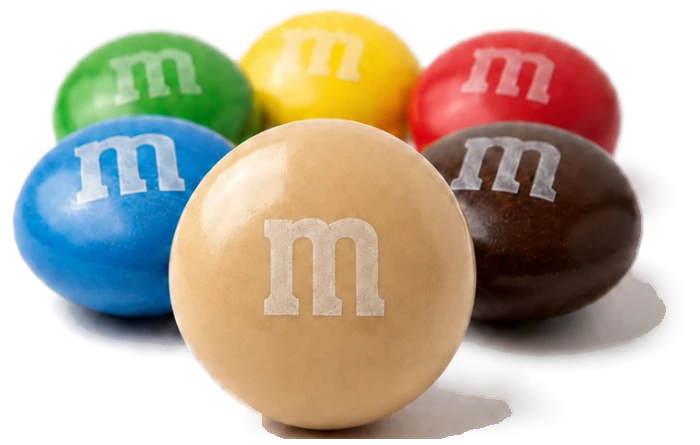
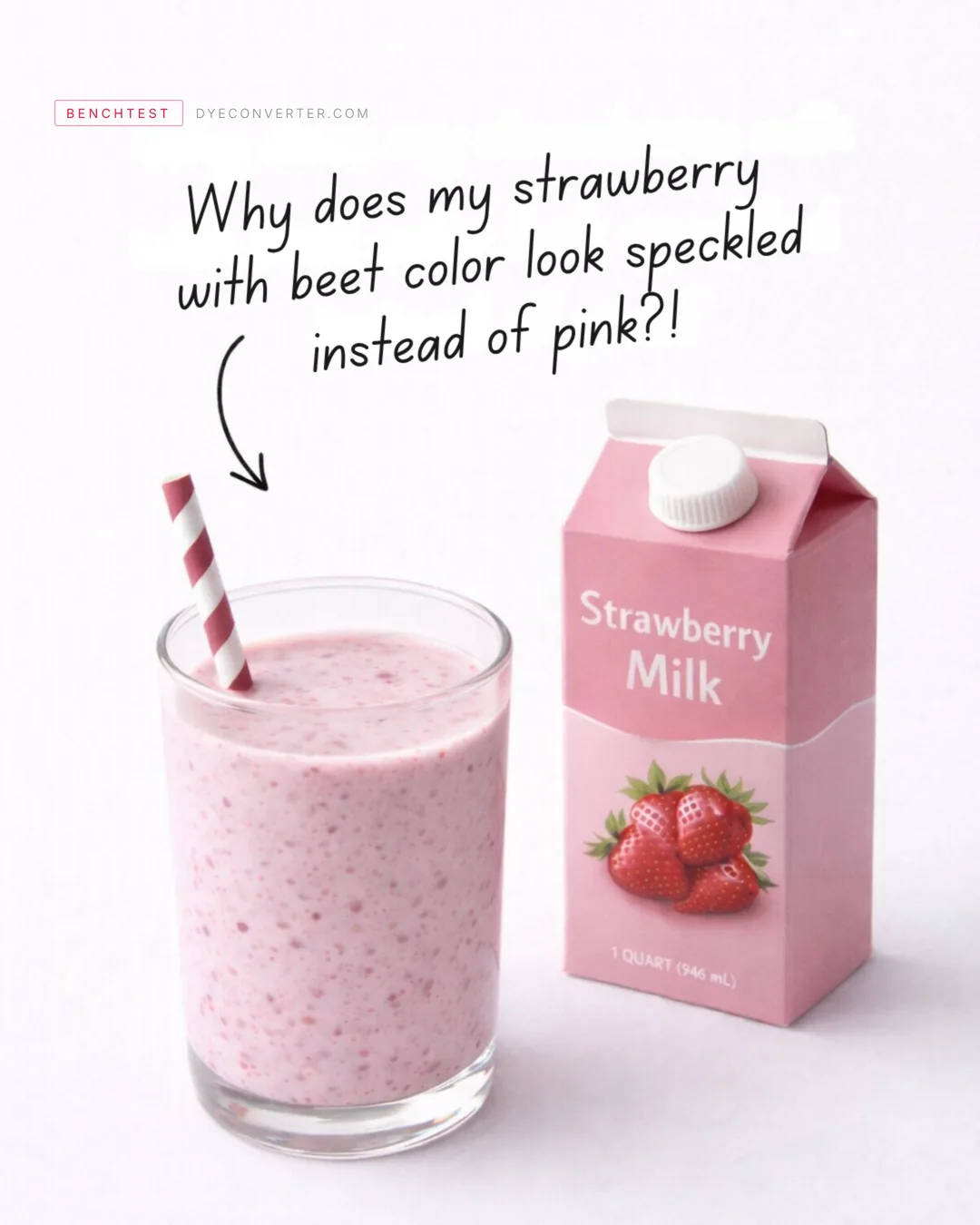
The FDA paused approval of beetroot red — not for safety, but over labeling gaps between plant-extracted and fermentation-derived colorants. What R&D and regulatory teams need to know.
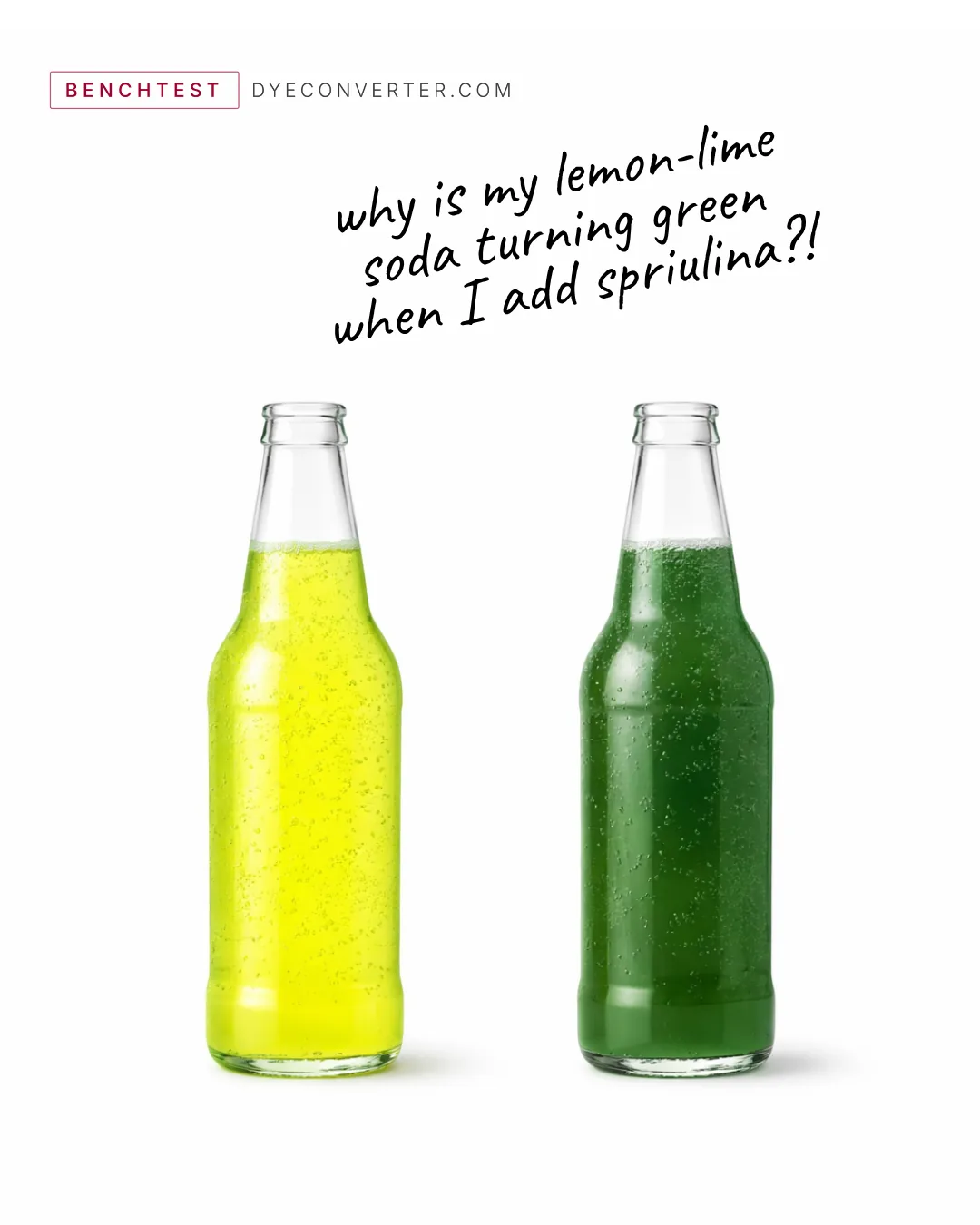
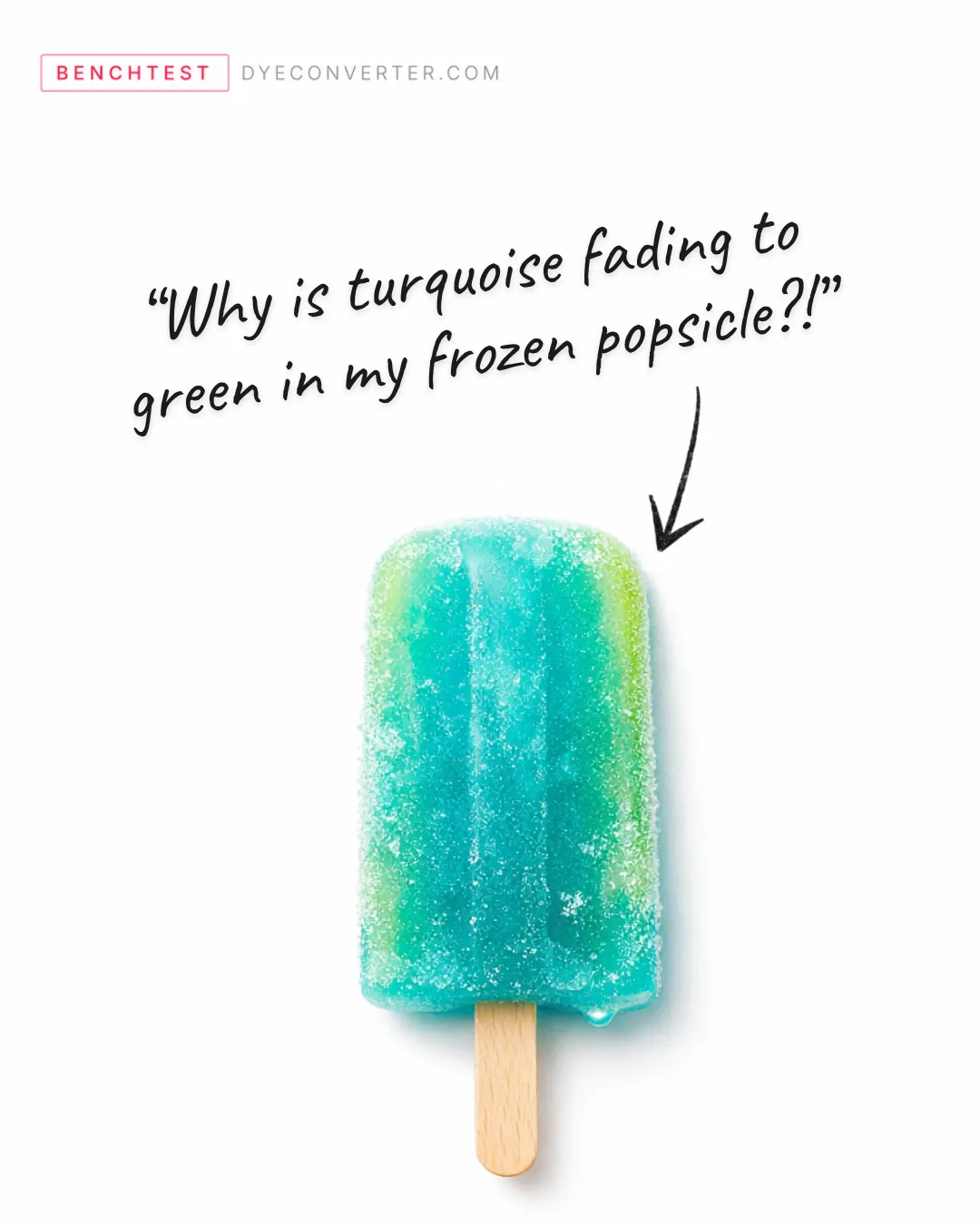
Spirulina blue is a protein carrying a pigment, not a dye. Why phycocyanin shifts toward green in frozen treats -- ranked by what the science actually shows -- and the verified ways to keep it blue.
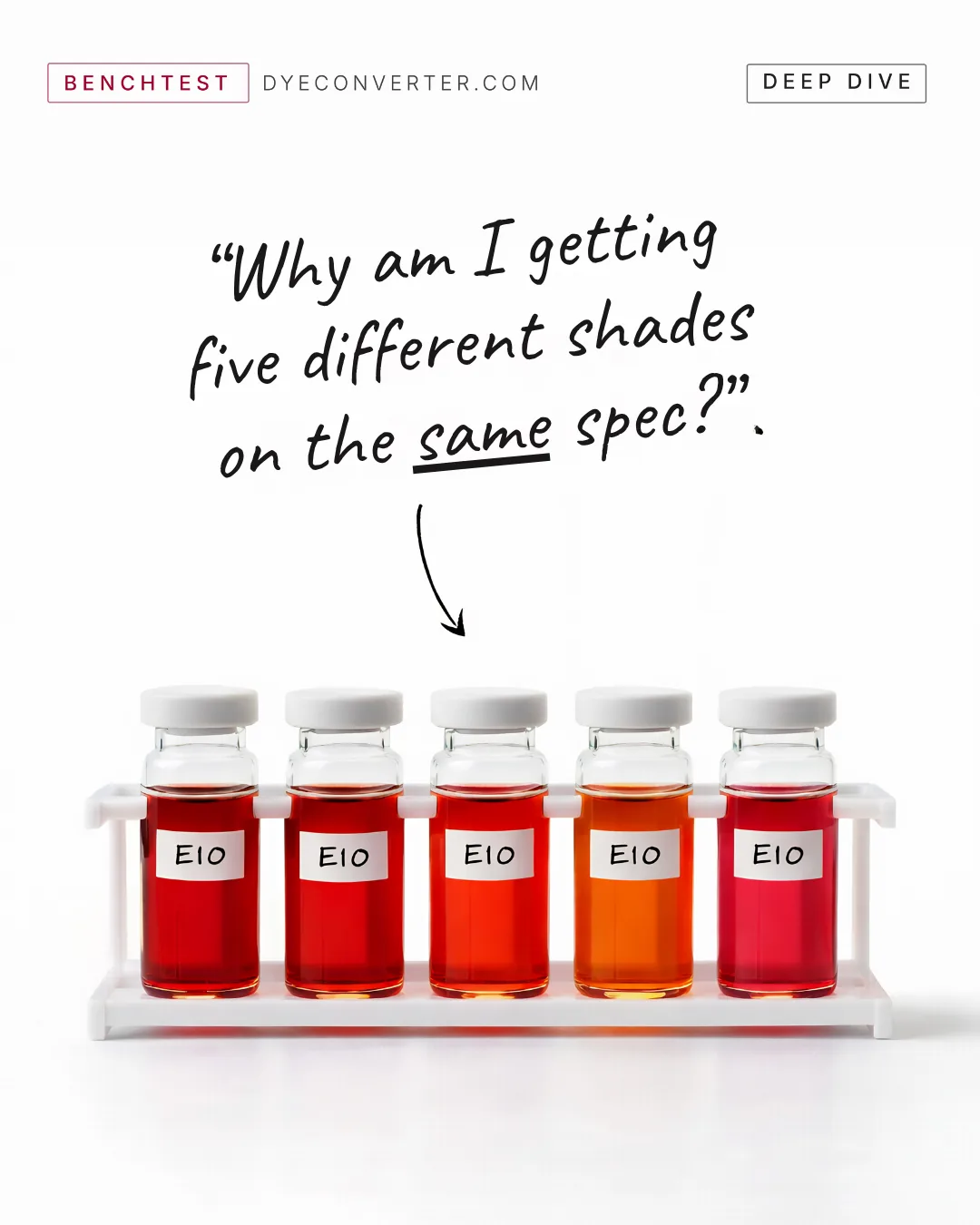
The E-value on a natural color spec measures color strength at one wavelength, not hue. Why two batches at the same E-value land different shades, and how to write a spec that controls color.
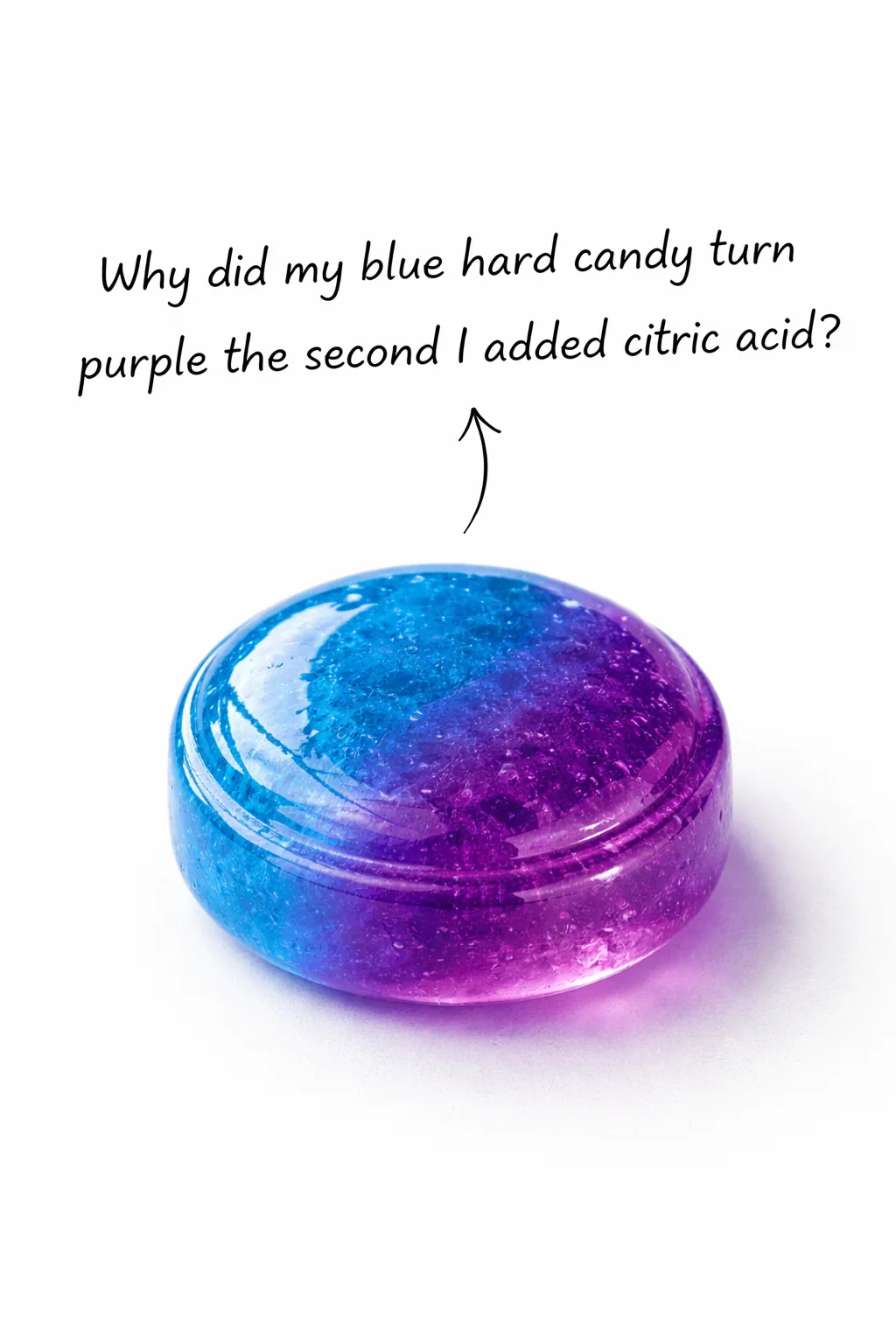
Butterfly pea blue does not survive citric acid. The pigment is a polyacylated delphinidin glucoside called ternatin, and it shifts hue reversibly with pH. The real blue band is pH 5-7, not 3.8-7. Here is what the literature actually says, how late addition protects the color, and where butterfly pea is now FDA-approved as of June 2025.
Accelerated shelf-life testing predicts natural color fade in weeks instead of a year, using Arrhenius or Q10 kinetics. The method, the worked example, and the Arrhenius-breakdown caveat that matters most for natural pigments.